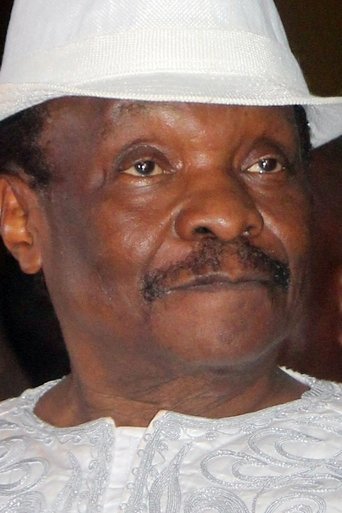
Mory Kanté
Mory Kanté (29 March 1950 – 22 May 2020) was a Guinean vocalist and player of the kora harp. He was best known internationally for his 1987 hit song "Yé ké yé ké", which reached number-one in Belgium, Finland, the Netherlands, and Spain. The album it came from, Akwaba Beach, was the best-selling African record of its time. Kanté was born in Albadaria, French Guinea (a part of French West Africa at the time) on 29 March 1950. His father was El Hadj Djeli Fodé Kanté and his mother, Fatouma Kamissoko, was a singer. They were one of Guinea's best known families of griot (hereditary) musicians. He was of mixed Malian and Guinean descent. After being brought up in the Mandinka griot tradition in Guinea, he was sent to Mali at the age of seven years – where he learned to play the kora, as well as important voice traditions, some of which are necessary to become a griot. As a Muslim, he integrated aspects of Islamic music in his work. In 1971 Kanté became a member of the Rail Band, in which Salif Keita was a singer. Keïta left the band in 1973, leaving Kanté as the singer. In 1987, he released the song "Yé ké yé ké", which was one of Africa's best-ever selling hits as well as being a Eu…
Acting
- 2022Il était une fois Champs-ÉlyséesSelf (archive footage)1 ep.
- 1987Le monde est à vousSelf8 ep.
- 1987Sacrée soiréeSelf4 ep.
Guest appearances
- 2004Later... with Jools Holland1 ep.
- 1988Le monde est à vousSelf8 ep.
- 1988Sacrée soiréeSelf4 ep.
- 1988Victoires de la musiqueSelf1 ep.
- 1988Champs-ElyséesSelf2 ep.